Water No Longer Drinkable in Norwegian Town as Climate-Related Thawing Releases Heavy Metals
Contamination prompts water ban
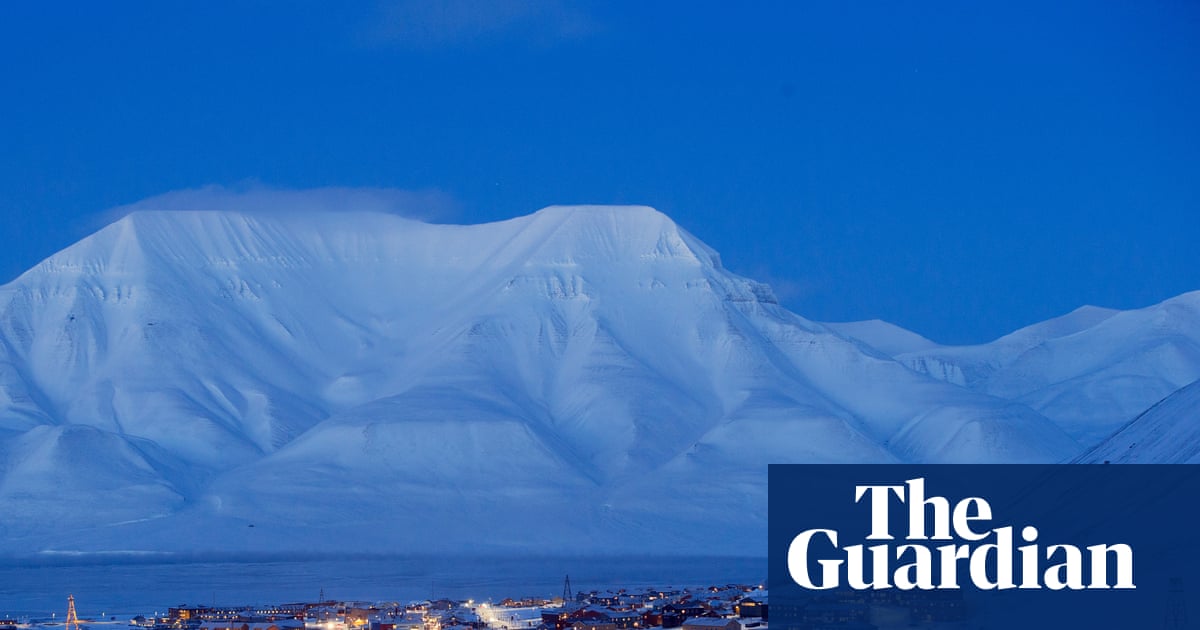
Longyearbyen is about 800 miles from the North Pole and lies in one of the world’s fastest-warming areas. The town is warming at five to seven times the global average, while autumn temperatures have risen by as much as 4C per decade.
Scientists say thawing permafrost and shale bedrock containing pyrite have contributed to contamination of the water supply. Marjolaine Verret, an Arctic geology associate professor at the University Centre in Svalbard, said pyrite reacting with water and oxygen produces acid that can draw heavy metals from rocks into waterways.
Manganese has been an issue in Longyearbyen, Verret said. Prolonged exposure to high manganese levels can cause neurological problems, particularly for children and infants.
Other substances exceed limits
Manganese levels have since declined, but sulphate and nickel were found above recommended drinking-water limits earlier this year. The restriction on drinking tap water therefore remains in place. The mayor, Aunevik, has commissioned an investigation into water quality and said a completely new water mains supply might be necessary.
Possible fixes carry challenges
Options under consideration include putting a filtration system at Isdammen and using a desalination plant as backup, or reversing those roles. Aunevik described either approach as extremely expensive.
Svalbard’s extreme conditions add technical difficulties, including water temperatures that are often below zero. Verret and other scientists warn that Longyearbyen’s water contamination may signal future problems for Arctic communities.
Key points
- Residents of Longyearbyen remain barred from drinking tap water.
- Thawing permafrost and pyrite-bearing shale are linked to heavy metal contamination.
- Sulphate and nickel exceeded recommended drinking-water limits earlier this year.
- Scientists say other Arctic communities may face similar water-source contamination.