Why the strait of hormuz is being scoured for spilt cargo as iran attacks container ships
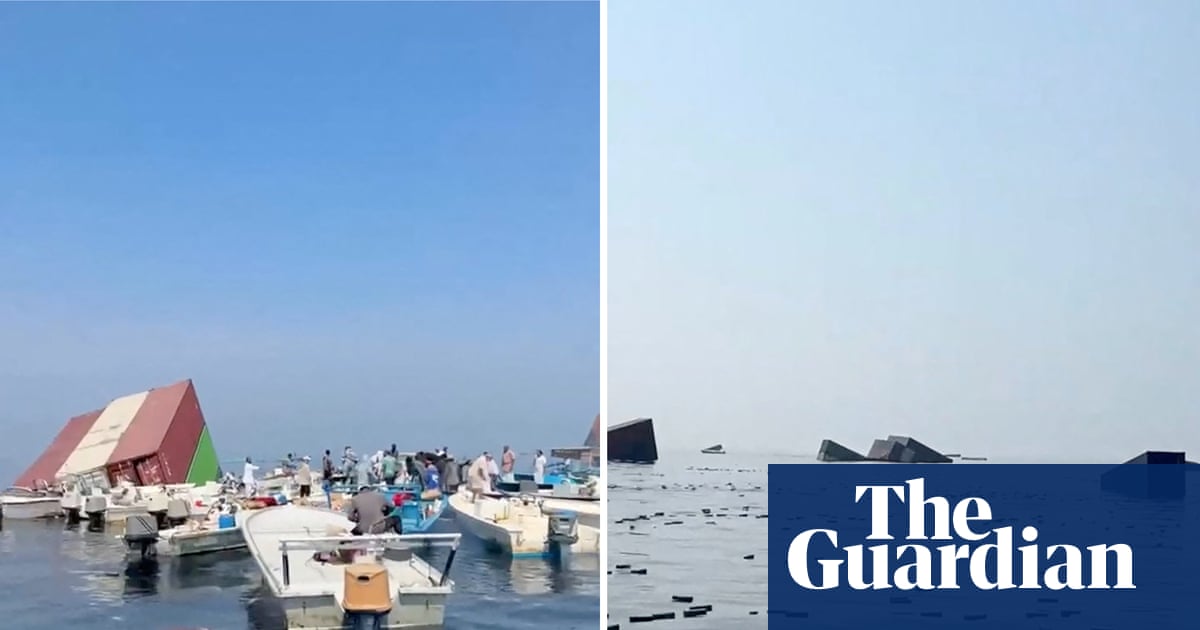
Floating containers draw attention
Social media posts, including fake images made with AI, fuelled claims that the cargo included iPhones and other costly goods. Fishers and others went to investigate. Iran cyber police official Javad Mokhtar Rezaei warned that saltwater and humidity can corrode electronic parts and cause concealed faults.
Attacks raise wider concerns
The article reports at least 15 container ships struck over 10 days. Separately, the UK Maritime Agency said 12 vessels were attacked in the seven days ending Friday 16 October; the figures cover different time periods.
Most recent attacks occurred near Oman’s coast, along a route Iran considers unauthorised. Iran’s Revolutionary Guards said two oil tankers were hit on Saturday, including one carrying 2 million barrels; a third tanker was struck late Sunday. A video published by Fars appeared to show a tanker burning, but could not be independently verified.
Environmental and political stakes
The rise in attacks appears to have reinforced Tehran’s disputed control of the strait. Brent crude rose to close to $108 a barrel on Monday morning. Iran has offered to reopen the waterway in six days in return for sanctions relief, as Tehran prepares for another possible attack.
Key points
- At least 15 container ships were attacked in the Strait of Hormuz over 10 days.
- A ship that sank after hitting a mine left dozens of containers floating; its crew were rescued without injuries.
- Online rumours about valuable cargo prompted searches, despite fake AI-generated images circulating on social media.
- A marine expert warned that debris, oil spills and noise could harm habitats and marine animals.