Beyond US campuses, meet researchers leaving because Trump’s era brings concerns over funding and academic freedom
Recruitment offers a new path
Foreign universities began attracting U.S. researchers after the Trump administration disrupted federal research grants and sought greater political influence over funding decisions. Their programs emphasize reliable financial support and freedom to pursue academic work.
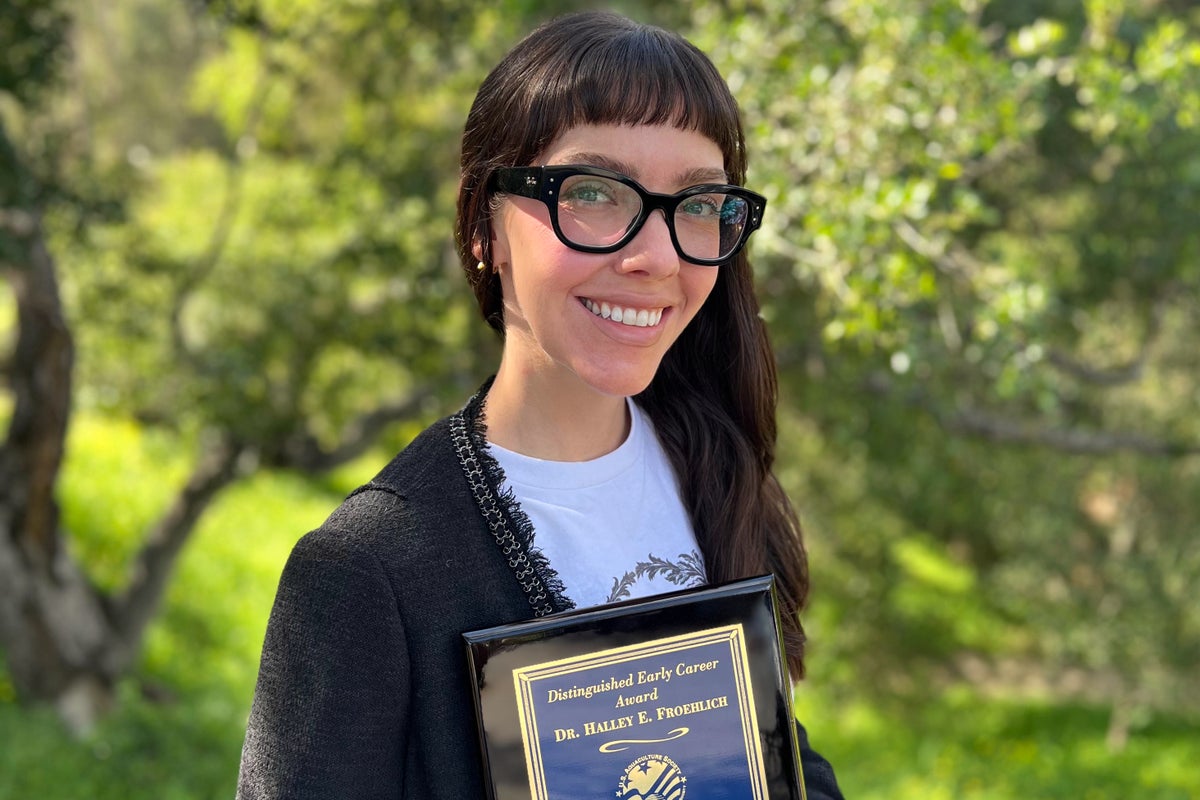
Halley Froehlich had expected to build her career in the United States, where her family has lived since the 1700s. She accepted a Research Council of Finland offer that guarantees five years of funding worth about $3 million, and moved to Helsinki.
Scientists describe a growing shift
The American Institute of Physics reported that physics Ph.D. graduates in 2025 left the country at the highest rate in three decades. Christine Stawitz, who now works at the University of Birmingham in England, said the United States had lost some of its appeal as a destination for scientists.
Funding worries and personal choices
Stawitz left the National Oceanic and Atmospheric Administration last year. She said the agency no longer matched her values, citing a request to remove website references to climate change and diversity, equity and inclusion.
Froehlich said several developments together led her and her family to question whether the United States remained their home. International researchers have also reconsidered staying, with uncertainty around grants among the factors; stalled funding forced some to lay off staff scientists.
Reputation faces further pressure
The United States remains a major center for science, with well-resourced institutions and strong research communities. Still, the article notes that even if every European country opened its doors, they could not accommodate all American scientists seeking to leave.
A tracking tool from the States United Democracy Center and Grant Witness puts federal grants cut or frozen since Trump’s second term began at as much as $174 billion. A proposed Office of Management and Budget rule could expand political appointees’ role in funding decisions, but a congressional resolution has postponed a final decision until December.
The Association of American Universities found that major research institutions accepted 15% fewer applicants to fall 2026 doctoral programs than in the prior year. The article says a mentee of Smith was among the students affected.
Key points
- Foreign universities are recruiting U.S. researchers with promises of stable funding and academic freedom.
- Physics Ph.D. graduates left the United States in 2025 at the highest rate in 30 years.
- The United States remains a major research hub, but funding uncertainty and reputational concerns persist.
- Major research institutions accepted 15% fewer applicants for fall 2026 doctoral programs.