Why Gas Prices Became a Lightning Rod for Voter Anger Ahead of US Midterms
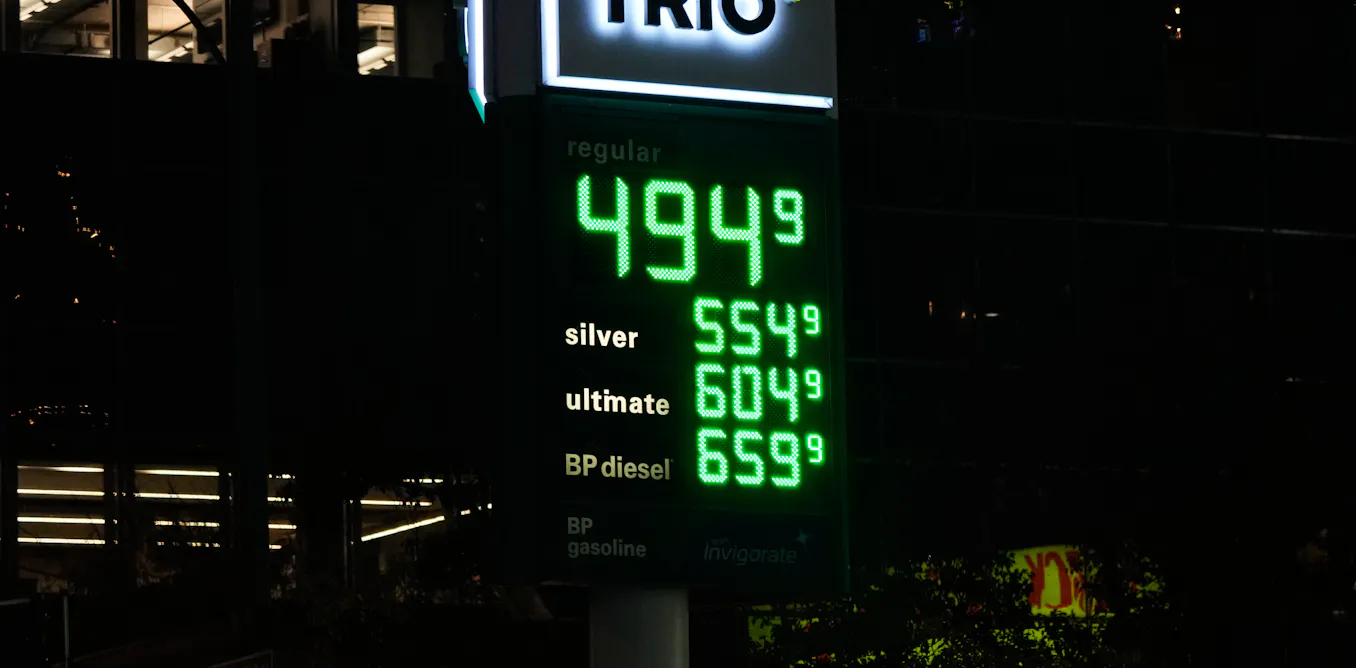
Fuel costs hit households
The United States has 196,000 gas stations and retail outlets, putting fuel prices in view across cities, towns and major roads. Since February 28, the price of filling a tank has risen sharply following Trump’s decision to attack Iran.
The article places those increases within a broader cost-of-living squeeze affecting groceries, utilities and other essentials. It says more than 50% of Americans are having difficulty paying to fill their tanks, making gasoline a prominent measure of affordability pressures.
The impact can extend beyond drivers. More than 70% of freight goods in the United States move by truck, and more than 70% of trucks use diesel, linking fuel costs to the prices of delivered goods.
A political vulnerability
The article describes Trump as sensitive to the political effects of fuel prices, recalling the 1973-74 Arab oil embargo. Oil prices quadrupled during that crisis, and shortages led to rationing and long lines at gas stations.
Trump has called high gas prices an “inexpensive price to pay” for the Iran war and its aim of destroying Iran’s nuclear weapons program. He has also predicted oil prices will “drop like a rock” when the conflict ends. The article argues that fuel costs have become a particular weakness for Trump as other household expenses, including housing and debt payments, add to financial strain.
War uncertainty deepens concern
The war was unpopular from the outset: 40% approved of Trump’s decision to attack Iran in February, according to the article. It says the conflict has expanded to Lebanon and Persian Gulf states attacked by Iran, while the Houthis in Yemen have fired missiles toward Saudi Arabia.
Trump has said Iran wants a deal, but the article reports that no final agreement has emerged. It says an April truce lasted four days and a June ceasefire and memorandum of understanding lasted three weeks.
The article says Americans fear the war could continue and believe Trump made the wrong decision to begin it. It also reports that Trump has said he wants to end the conflict, but not before the midterm elections.
Choices and consequences
The article says White House and military sources have briefed the media about the possibility Trump could use the “mother of all bombs” to destroy Iran’s military capabilities. In a September address to the United Nations, Trump described weighing a deal against annihilating the Islamic Republic.
The conflict has caused substantial damage, according to the article, and could undermine prosperity in Saudi Arabia, the UAE and Qatar, affecting part of the global economy for years. It presents the continuing war and its economic effects as central concerns for voters ahead of the midterms.
Key points
- More than 50% of Americans are struggling to fill their tanks, the article says.
- More than 70% of US freight goods travel by truck, and more than 70% of trucks use diesel.
- Only 40% approved of Trump’s decision to attack Iran in February.
- Trump has said he wants the war to end, but not before the midterm elections.