Smartphone-style expectations shape how digital natives are buying electric cars
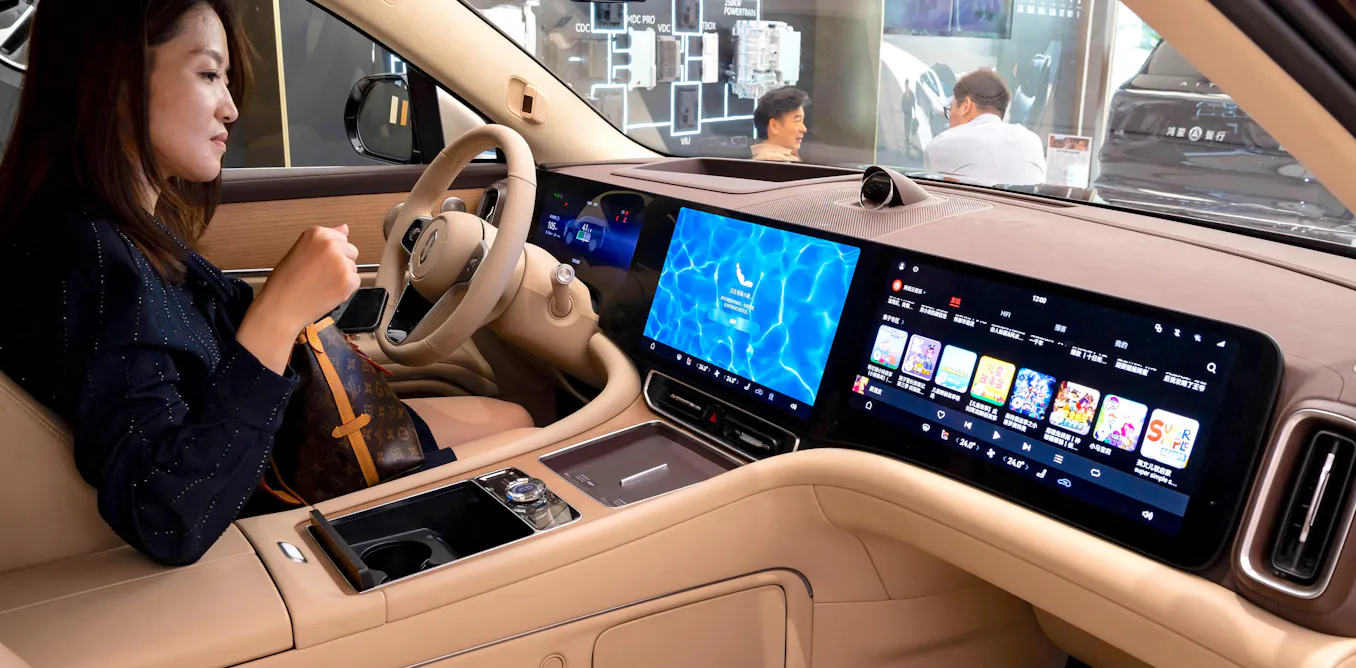
Cars become rolling computers
Electric vehicle production is expanding, while smartphone companies such as Xiaomi and Huawei are entering the car market. As a result, vehicles are increasingly being built and marketed as computers on wheels.
Mechanical engineering and brand prestige still matter, but software and digital features are gaining importance. For millennials, the article says, these capabilities are becoming an expected part of a car rather than an optional extra.
Technology shapes buying decisions
For digital natives, an electric vehicle can look like a hardware platform that needs a capable operating system. Buyers consider how well its technology works, access to charging infrastructure and financial incentives.
These priorities resemble smartphone shopping, where consumers may focus on speed, battery life and software updates. The trend is reported across China, North America and Europe, although prices and availability in places such as China may influence its pace.
Online research and digital features
Younger shoppers often use online platforms and social media to explore cars before visiting a dealership. They draw on user-generated content, peer views, reviews and digital advertising rather than relying mainly on print brochures or in-person visits.
Research cited in the article says Gen Z consumers seek technologically advanced, personalised experiences. They pay attention to entertainment features and software ecosystems, treating a car’s digital experience much as they would a phone’s apps.
Phone expectations enter the car
For these buyers, integration with systems such as Apple CarPlay and Android Auto is treated as essential. They expect their digital lives to connect with the car smoothly and quickly.
Touchscreens and infotainment systems also face close scrutiny. Lagging responses, awkward interfaces or a poor user experience can hurt perceptions of the whole vehicle.
Ownership and transport choices shift
Younger people are described as weighing transport through travel time, cost and reliability, rather than relying on an emotional attachment to driving. The article says shared mobility services such as Uber and Grab are gaining appeal over owning a private car.
They also expect personal settings and digital profiles to follow them into different vehicles, allowing access to music playlists or smartphone messages. The article ends mid-sentence while comparing this continuity with use across devices.
Key points
- Younger consumers increasingly assess electric cars through software and digital integration.
- Charging access, technology performance and financial incentives factor into buying decisions.
- Online reviews, social media and peer content shape how younger shoppers research cars.
- Some younger consumers favour shared mobility and expect their digital profiles to sync across vehicles.