Amazon criminal networks threaten Indigenous lands as leaders want UN action
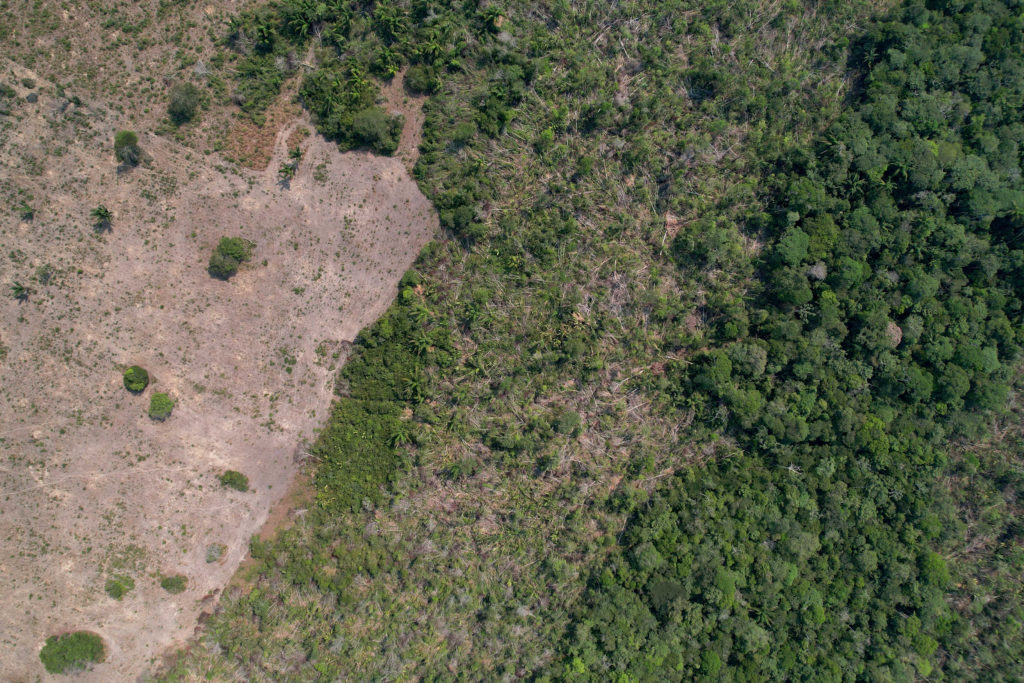
Threats across Amazon communities
At the Vienna conference, more than a dozen Indigenous representatives are calling attention to organized crime in their territories. Galois Flores of Peru’s Wampis Nation said illegal mining, logging and drug trafficking are increasing pressure on communities.
Gold mining has polluted rivers with mercury, affecting water used for drinking and fishing, Flores said. The Wampis have set up two monitoring posts, with 14 Indigenous guards at each, but people opposing criminal groups face intimidation and violence.
In Peru’s central Amazon, leaders say traffickers have established coca plantations and processing sites in Kakataibo ancestral forests. Federation president Marcelo Odicio said six Kakataibo leaders have been killed since 2020, and community representatives regularly receive threats.
Violence and pollution spread
Ashaninka leader Francisco Piyako Apiwtxa described illegal logging, trafficking and roads used to move illicit goods in Brazil. He said at least five armed, masked men entered an Ashaninka community in July, threatened families and looked for Indigenous leaders; he said government protection is inadequate.
In Colombia’s Putumayo region, Ingry Mojanajinsoy said armed groups are turning increasingly to illegal mining. Pollution can travel downstream into Indigenous communities’ rivers and fish, she said, even when mining occurs beyond their territories.
Global Witness reported that Latin America accounted for 105 of the 124 land and environmental defender killings it documented worldwide in 2025. Colombia recorded 39 deaths and Brazil 26.
A proposed international agreement
The Vienna gathering is held under a U.N. treaty addressing transnational organized crime. Governments are expected to consider starting talks on a protocol covering environmental offenses such as illegal mining, logging and wildlife trafficking.
Raphael Hoetmer of Amazon Watch said organized crime and illicit economies threaten the Amazon, Indigenous peoples and the global climate. He argued that military operations and raids do not tackle underlying causes and can leave Indigenous communities caught in violence.
Indigenous representatives are seeking stronger land rights, backing for community-led protection and a say in international talks. The U.N. Office on Drugs and Crime said it supports work with Indigenous communities, including a Brazil project to monitor illegal gold mining, but did not clarify whether they would have a formal negotiating role.
Calls for lasting protection
Flores urged governments to pursue the financial flows and markets behind illegal gold, and to treat environmental crimes as seriously as drug and arms trafficking. Odicio called for recognition of Indigenous territorial guards and protection for leaders facing threats.
Flores said short-term police operations are not enough because illegal miners may return after security forces leave. During an August raid in Peru, soldiers similarly told The Associated Press that miners would wait for troops to depart before resuming work. Flores said Indigenous communities want to prevent poisoned rivers, damaged forests and criminal control from shaping life for future generations.
Key points
- Indigenous leaders from four Amazon countries are taking their concerns to a U.N. conference in Vienna.
- They want action against financial networks behind environmental crimes and stronger Indigenous participation.
- Leaders report threats, pollution and killings linked to illegal mining and drug trafficking.
- Latin America accounted for 105 of 124 documented land and environmental defender killings worldwide in 2025.