Darker winter mornings: Could school start times change if America moves to permanent daylight saving time?
Past experiment raised concerns
In January 1974, the United States moved clocks forward as part of an experiment intended to reduce energy use under President Richard Nixon. Some areas saw sunrise as late as 9 a.m., and the policy was repealed by Congress that fall after a difficult winter.
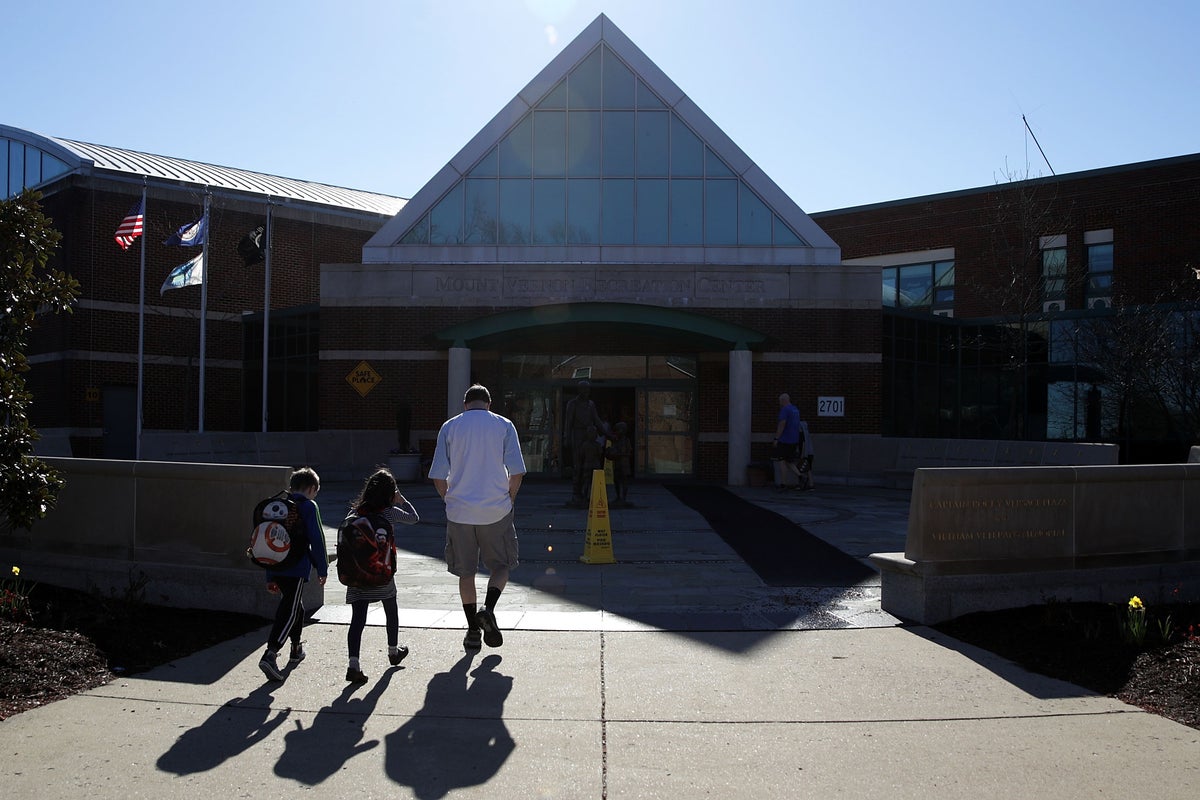
Arkansas Senator Tom Cotton cited the episode in opposing permanent daylight saving time. He said children might have to walk to school before dawn or schools would need to delay their opening, presenting those options as a choice between safety risks and disruption.
Lawmakers debate children’s safety
President Trump supports the Sunshine Protection Act, which passed the House in the summer but has struggled to gain support in the Senate. Some senators oppose permanent daylight saving time because they believe it could put children at greater risk.
Republican South Dakota Senator Mike Rounds said children would be sent to school in darkness. He noted that parts of his state can remain dark until after 9.30 a.m.
Advocates call for later starts
Terra Ziporyn Snider, co-founder of Start School Later, said the debate involves more than the clock. Her organization argues that school should not start before 8.30 a.m., a position also supported by the American Academy of Pediatrics, to help children get better sleep and avoid traveling in darkness.
Snider said the goal was not to let students sleep until late morning, but to set a more humane start time for children who are growing and developing. She said political support for later school days is lacking, though the daylight-saving debate could draw attention to early school schedules.
Standard time offers another view
Jay Pea, of the Save Standard Time movement, said permanent standard time would benefit more people in the United States because it follows the sun’s position more closely. He also argued that delaying school starts would be unnecessary if the country adopted permanent daylight saving time. As Americans prepare to turn clocks back on November 1, school schedules are unlikely to change soon.
Key points
- The Sunshine Protection Act has passed the House but faces resistance in the Senate.
- Some opponents say permanent daylight saving time could leave children traveling to school in darkness.
- Start School Later supports school starts no earlier than 8.30 a.m.
- Jay Pea argues permanent standard time aligns more closely with the sun.