Cool chain crisis: Who hacked France’s supermarket fridges and why?
Freezers pushed into heat
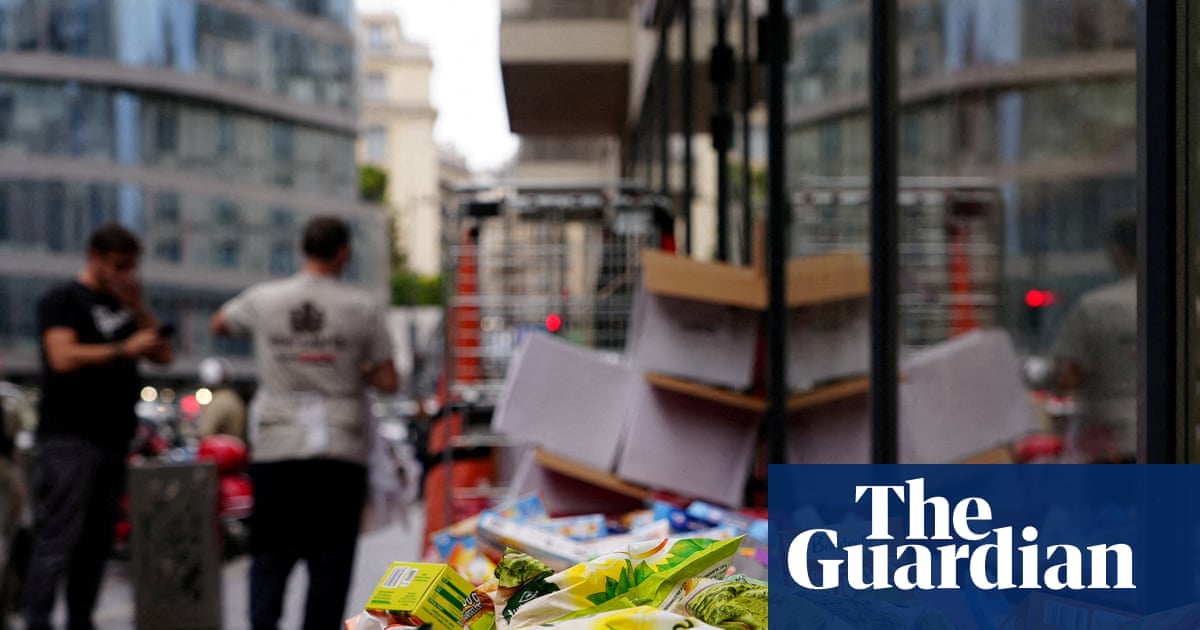
Shortly before midnight last Sunday, digital thermostats in supermarket cold aisles across France began showing rising temperatures. Over the following four to six hours, frozen food thawed and began to warm.
At an Intermarché in Issy-les-Moulineaux, a worker said the freezers reached 62C and the stock had to be discarded. Staff removed tons of spoiled food and worked until nearly midnight on Monday to replenish the shelves. Another employee said the store was almost back to normal that day, though everything in the freezers had to go.
Stores and systems targeted
Dominique Schelcher, president of Coopérative U, said 80 of the group’s 2,000 supermarkets had been hit. He called the incident unprecedented and extremely serious in comments to French radio.
The attackers tampered with controllers made by Danish company Danfoss, which operate the fridges and freezers. Many supermarket cold aisles are internet-connected for remote maintenance and alerts. Early investigations indicate alarms were disabled before temperatures were changed, or defrost cycles were lengthened to avoid warnings.
Security gaps under scrutiny
Cybersecurity researcher Marta Rybczyńska said she had seen earlier warnings about old freezers running unsupported software and newer units missing firmware updates. She also said many appeared to use default passwords, allowing attackers to change or switch off alerts.
France has the highest volume of records exposed by hackers in Europe, according to Upguard. Wavestone’s Gérôme Billois said the country had fallen behind on cybersecurity and had not adopted the EU’s Cyber Resilience Act of 2024, which introduced mandatory security for internet-connected devices.
Motive and suspects unknown
No person or group has claimed responsibility. Paris prosecutors have assigned detectives from the anti-cybercrime unit, but Billois said identifying the hackers would take time. Billois said the operation had signs of political sabotage intended to spread fear and make people feel unsafe. Rybczyńska said tracing the perpetrators would depend on their skill and location: inexperienced attackers might leave traces, while professionals or people abroad could be harder to find. Billois described responsibility as shared among supermarkets, refrigeration contractors and the software company, while saying the hackers were to blame for the attack.
Key points
- Coopérative U reported attacks at 80 of its 2,000 supermarkets.
- Food thawed and warmed after freezer controls were tampered with.
- Experts cited default passwords, old software and disabled alarms as possible security weaknesses.
- No one has claimed responsibility, and investigators are still trying to identify the attackers.