Verse from the waste land: Rotterdam’s poetic bin lorries granted cultural status
In brief
Rotterdam’s poetry-covered rubbish trucks have been recognised as one of the Netherlands’ proud traditions. The programme, which began in 1988, brings verses into everyday street scenes and is intended to make poetry accessible to residents beyond traditional cultural settings.
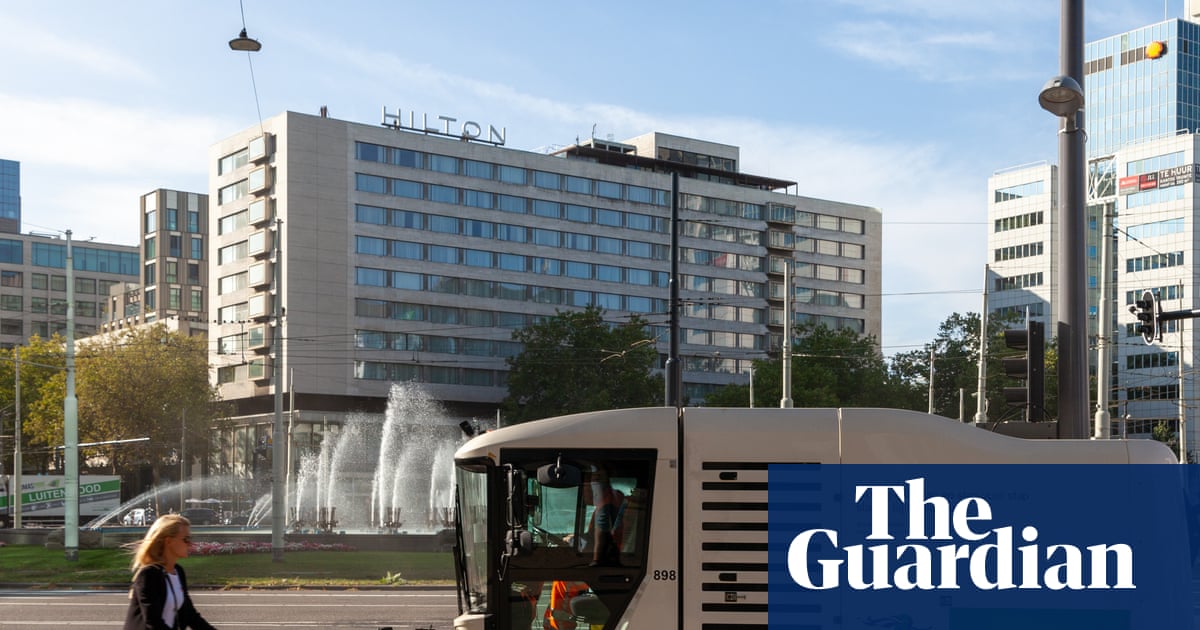
Poetry on the move
Verses have appeared on Rotterdam’s bin lorries since 1988. The city’s deputy mayor for culture, community and language, Joan Nunnely, said residents encounter them while cycling to work or waiting for a truck to pass.
Nunnely said a line can stay with someone throughout the day. What began as an unusual idea has become part of Rotterdam’s identity, she said.
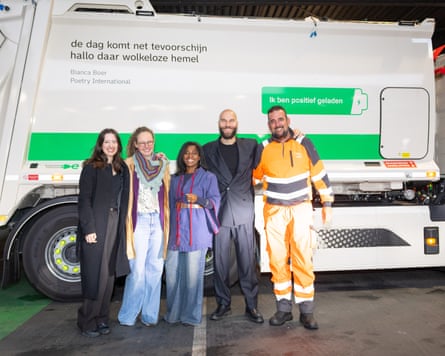
Culture for all residents
Supporters say the project makes poetry more widely accessible. Nunnely said it offers a way to bring poetry to all Rotterdammers, including people who may see culture as intended only for those with a theoretical education.
Reactions are generally positive, though some people say they do not understand the lines. One truck currently carries a verse by Neeltje Maria Min.
A tradition to preserve
Diana Chin-A-Fat, director of Poetry International, said the organisation and Rotterdam municipality put forward a plan to preserve the tradition through the heritage body. Poetry International came up with the initiative.
Chin-A-Fat said the trucks’ poetry has become closely associated with the city, and that residents recognise and read it. Other Dutch traditions on Unesco’s international list include traditional irrigation and the craft of operating windmills and watermills.
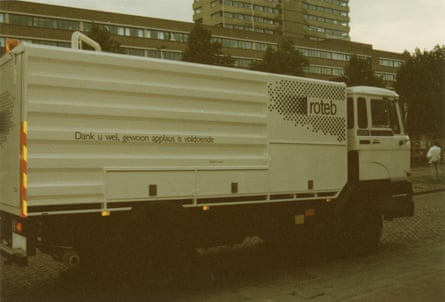
Key points
- Rotterdam’s rubbish trucks have carried poetry since 1988.
- The programme aims to bring poetry into residents’ everyday lives.
- Poetry International and the municipality sought to preserve the tradition.
- Other recognised Dutch traditions include irrigation and mill operation.