Megyn Kelly, Really: The Confusing Psychology of a Woman Judging Women
Criticism of Zacharia’s appearance
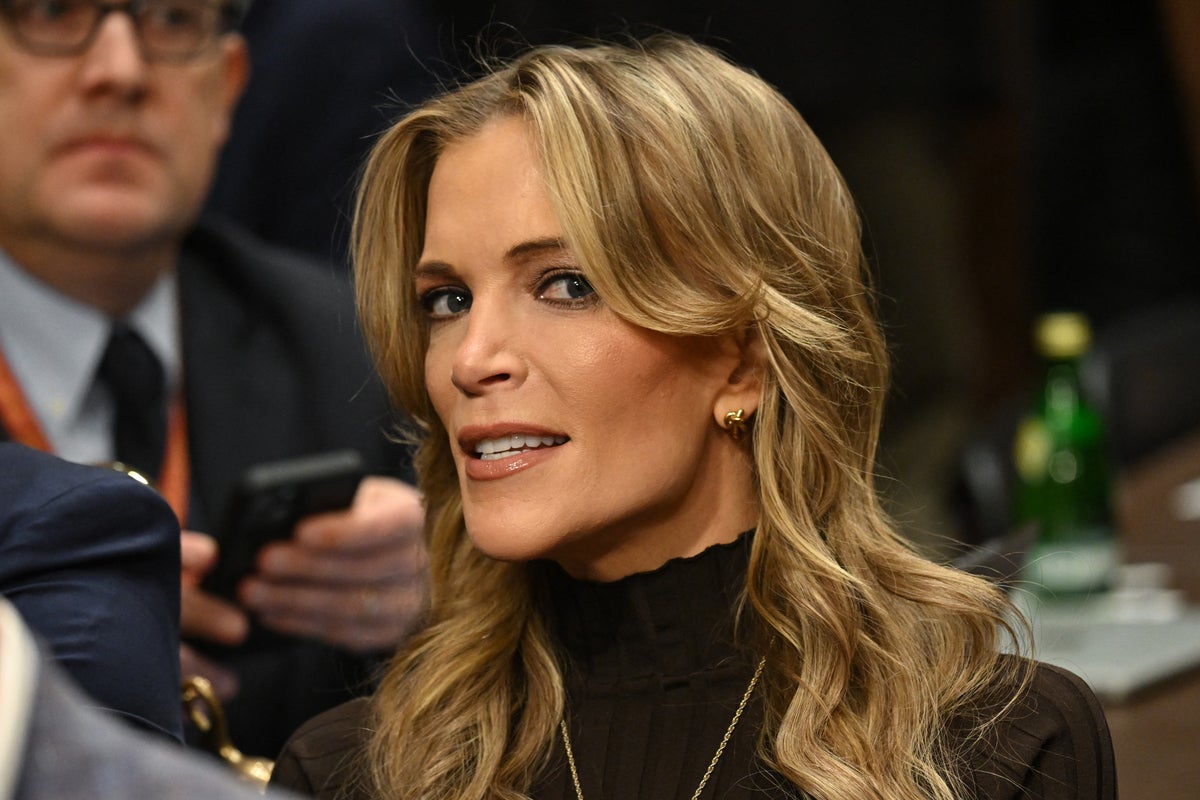
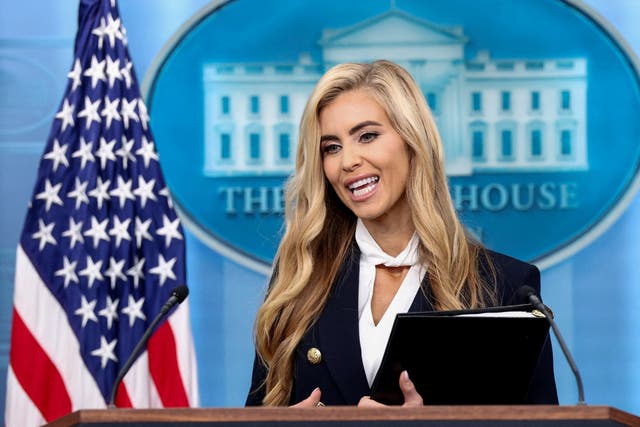
Kelly said Zacharia’s first press briefing did not go particularly well. She also criticized the press secretary’s makeup, hair extensions and exposed chest, arguing she should dress more professionally.
On her YouTube show, Kelly said Zacharia was not there to turn anyone on and could “sex it up” later, but first had to “earn it.” The article questions what such a standard means and whether it would be applied to men. In a follow-up segment, Kelly described the briefing as imperfect but acceptable. She then criticized “leftists” for targeting Zacharia.

A changed public image
Kelly previously challenged Donald Trump, who famously claimed she had “blood” coming out of her “wherever.” The article contrasts that history with her current commentary about women and sexism. On Oct. 5, Kelly said a Jane Doe alleging she was gang-raped by seven men at Cornell was too unattractive to have been raped and suggested she may have enjoyed the attention. The woman’s allegation remains an allegation. The article describes Kelly as having shifted from calling out misogyny to advising women on how to navigate it.
Influence and grievance
Kelly has 4.16 million subscribers to her YouTube show, which the article describes as a significant income source. Some observers have questioned whether she believes her statements or is operating within a provocative persona.
The article argues that Kelly’s commentary can move between criticizing women’s choices, defending them from political opponents and dismissing an alleged rape victim. It presents grievance as a central feature of her public role. Kelly’s position, the article says, is difficult to reconcile with her earlier experience of sexism and her past opposition to it.
Key points
- Kelly criticized Katie Zacharia’s appearance, then defended her from attacks by “leftists.”
- Kelly has 4.16 million YouTube subscribers, according to the article.
- Kelly made remarks about a woman alleging rape by seven men at Cornell.
- The article questions how Kelly’s views on sexism have changed.