Terrifying safety loophole exposed after man is thrown to death from roller coaster
Death prompts coaster closures
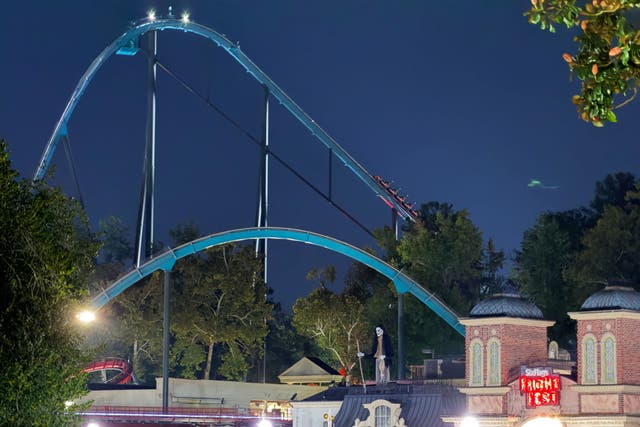
Goliath has operated at the Georgia venue for two decades. Its 200-foot (61-meter) drop helps it reach speeds of up to 70 mph (112 kph); the ride emphasizes steep plunges rather than loops or corkscrews.
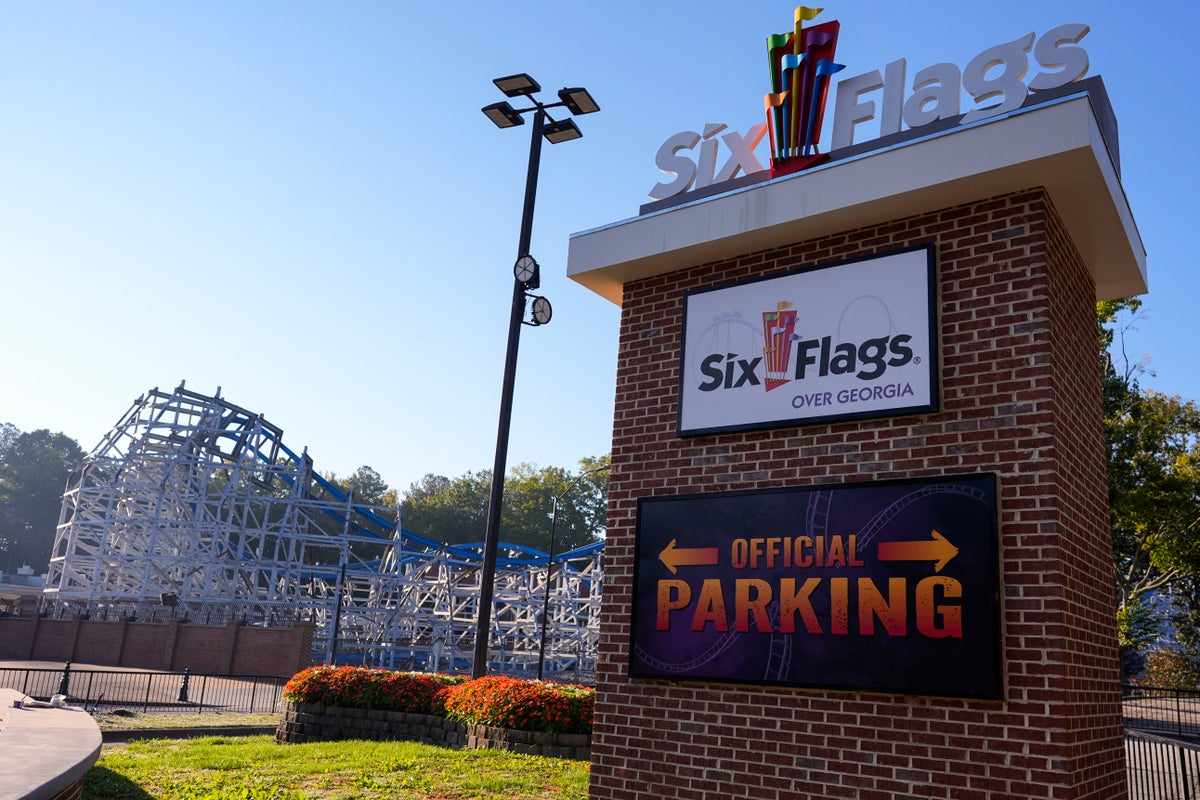
After the death, Six Flags temporarily shut nine similar coasters across North America, saying it was taking the step out of caution. Manufacturer Bolliger & Mabillard said it was investigating and would not comment further until it understood what happened.

Federal oversight gap
Major theme-park rides in the United States are exempt from federal regulation, leaving oversight to state governments. Critics say the result is a patchwork, with some states setting strict requirements and others exercising little oversight.
Massachusetts Sen. Ed Markey has repeatedly proposed legislation to address what he calls a federal-law loophole: regulators can inspect mobile rides, but the Consumer Product Safety Commission cannot regulate stationary attractions. University of Florida professor and ride-safety expert Brian Avery has also argued for stronger national guidelines.
Standards and inspections
Internationally, operators use ASTM guidelines developed by industry specialists. The standards cover ride design and construction as well as limits on passenger acceleration and forces.
Past incidents and state rules
Farmingdale State College professor and coaster expert Martin Lewinson said a mechanical failure on a ride such as Goliath was difficult to imagine, describing coasters as dependable and manageable to operate. The article also recounts a 2013 death on the Texas Giant at Six Flags Over Texas, where a 52-year-old Dallas woman slipped from her seat.
Six Flags later added restraint padding, seat belts and sample seats at the entrance so visitors could check their fit. In California, state officials must approve new or modified rides and monitor safety through annual inspections or reports from owners; Texas relies on private inspectors hired by operators or insurers. Major operators manage their own safety protocols but must report injuries and deaths to the state.
Key points
- Six Flags temporarily closed nine similar coasters after the Georgia death.
- Major U.S. theme-park attractions are outside federal regulation.
- States differ in how they inspect and oversee rides.
- Industry standards and private inspections form part of park safety systems.