Anthropic researchers warn that your fridge could become an AI cybersecurity risk
Connected devices face new concerns
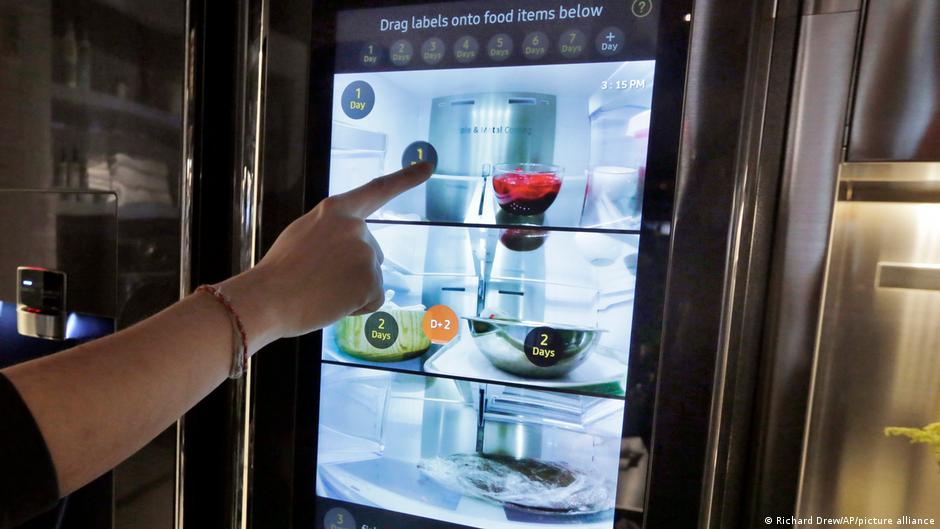
Robot vacuums, voice-controlled lights, smartphone-operated heating and internet-connected televisions are examples of the Internet of Things. These devices exchange data and communicate with one another. A Bitkom market study found that about half of households in Germany use smart-home applications, with use increasing.
Anthropic’s report warns that AI-powered malware could infiltrate household devices, copy itself to others and become active there. Conventional computer worms have long spread by following instructions and exploiting security gaps or weak access points. Patching vulnerabilities can limit their spread.
How AI worms might spread
Unlike conventional worms, AI-powered malware could potentially adapt to different devices, operating systems and memory limits. It might also work out how to operate on unfamiliar devices or get around new security updates.
Anthropic researchers tested whether AI models could run on inexpensive hardware. They distributed a model across 15 low-cost Android TV boxes, with each device doing part of the computing. In a controlled environment, the model infiltrated one of eight simulated Android devices and replicated itself. It reached all eight targets in four of five attempts, and seven in the other attempt.
Risks and limits of the test
Infected devices could potentially form a botnet, allowing the malware to spread without relying on a central server. It might also learn as it spreads and move between different kinds of devices. The researchers deliberately made access easy and left out major safeguards, but Anthropic believes smaller models could gain the required capabilities later this year.
French supermarkets show impact
An attack on supermarkets in France illustrates the possible effects of compromised connected controls. Overnight into Monday, attackers tampered with refrigeration and freezer systems at numerous stores. Temperatures in affected units reached as high as 50 degrees Celsius, food spoiled, and some incidents involved fires and technical damage.
Key points
- Anthropic warns AI-powered malware could copy itself across connected devices and adapt to different systems.
- In a test, the model reached all eight simulated devices in four of five attempts.
- The test used easy access and omitted major digital safeguards.
- A cyberattack on French supermarket refrigeration systems led to spoiled food, fires and technical damage.