Poland looks to economic heights in a country transformed since Soviet days
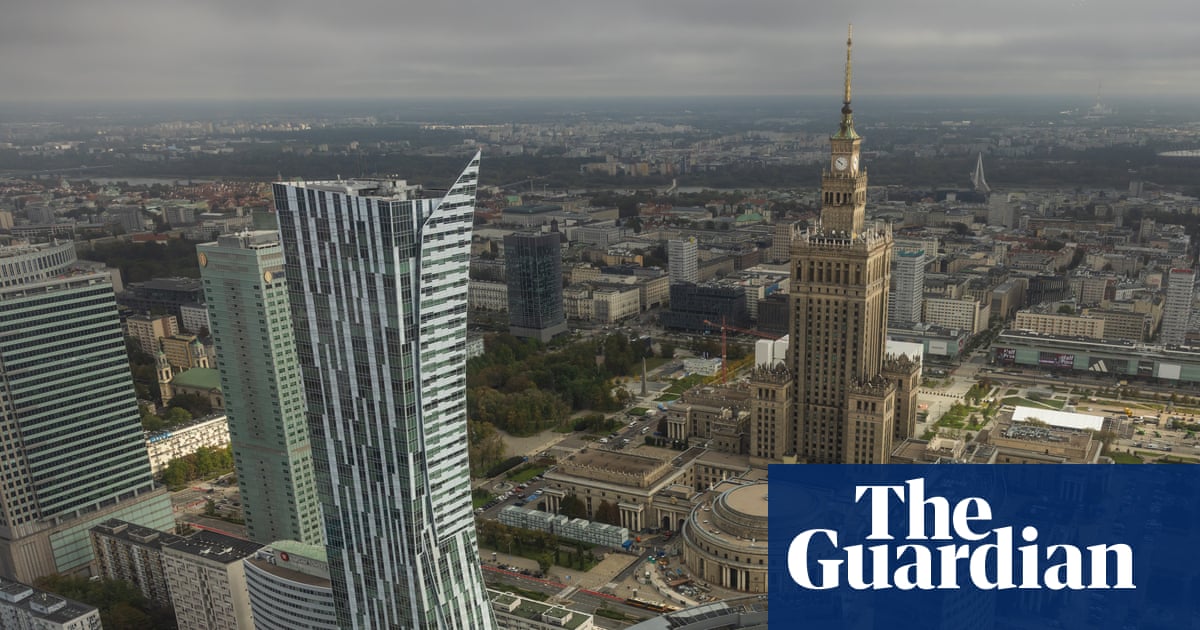
A transformed economic landscape
From the Varso tower, Warsaw’s tallest building, the Palace of Culture and Science stands as a reminder of Poland’s past. The tower’s managers see its height above the palace as a symbol of the country’s shift toward prosperity.
Poland’s national income exceeded $1tn last year. International Monetary Fund forecasts indicate that income per person could soon pass Japan’s and Spain’s. The country’s convergence with western European income levels has been unusually fast.
One Warsaw manager recalls waiting for hours as a child in the 1980s to buy basic food during communist rule. Many Poles later left to earn more abroad, but in 2024 Germany recorded more people moving to Poland than in the reverse direction for the first time.
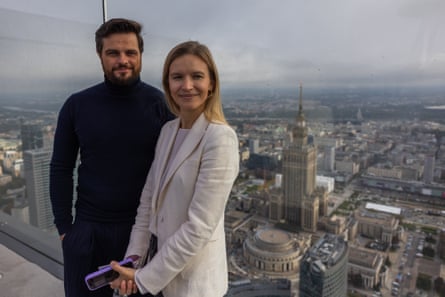
Wages rise, costs follow
Higher incomes have not removed financial pressure. A meal for two in Warsaw now costs more than in Tokyo, while cappuccino prices have doubled. Rising costs are squeezing poorer residents as international investment flows into the city.
Average labour costs are €19.10 an hour, around half the level in Germany and France, but the difference is narrowing. A business leader says future progress will depend on productivity, technology, cheaper energy and improved regulation.
Growth brings new pressures
Warsaw’s streets show the pace of development, with electric trams, construction cranes and new buildings. The area around the Palace of Culture and Science, once planned for Soviet military parades, has been made greener, and further development is intended to support the city’s bid for the 2040 summer Olympics.
Poland is investing heavily in defence and energy security amid Europe’s response to Russian aggression. The country is also moving beyond its former advantage of relatively cheap, skilled labour as it seeks to maintain economic growth.
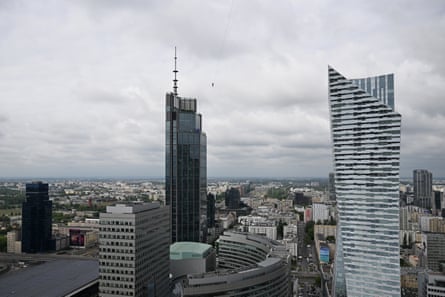
Key points
- Poland’s income reached 81% of the EU average last year, up from 40% in the mid-1990s.
- National income surpassed $1tn last year, putting Poland among the world’s 20 largest economies.
- Wages have risen sharply, but higher living costs are squeezing poorer Varsovians.
- Political divisions, inequality and narrowing labour-cost advantages complicate Poland’s next phase of growth.