Mystery of Amelia Earhart
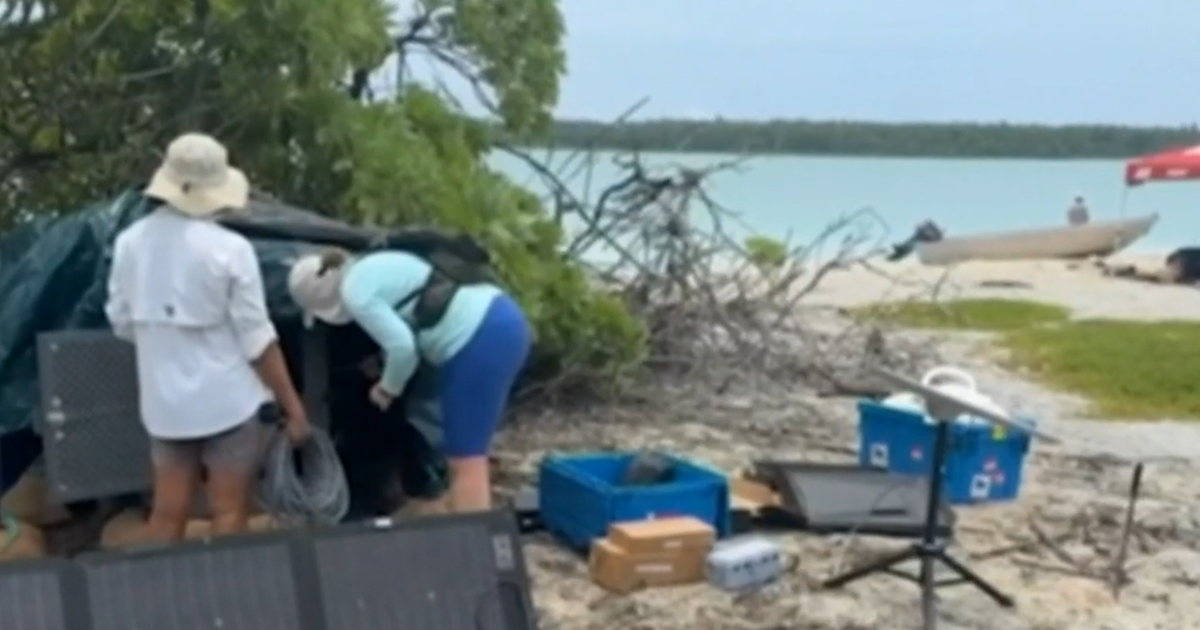
A group of American researchers believes it may be days away from finding what remains of the missing plane of legendary aviator Amelia Earhart off a remote island in the South Pacific.
"We're looking at the land, we're looking for artifacts that might relate to Amelia Earhart," Pettigrew told CBS News on Wednesday.
Members of the expedition are searching a lagoon off the coast of Nikumaroro. They are focused on inspecting what is known as the Taraia Object, a visual anomaly that has been visible in aerial photos dating back to 1938 but was first noticed in satellite imagery in 2020. That satellite imagery is what inspired the new expedition.
The search area is so remote, it took the 17-member expedition team five days at sea to reach it.
"Our next step is complete analysis of the data that we gathered and then to begin using a hydraulic dredge to remove sediment from the bottom," Pettigrew said.
Earhart went missing on July 2, 1937, while attempting to become the first person to fly around the equator. Earhart and her navigator, Fred Noonan, vanished 22,000 miles into their expedition.
Friend of woman allegedly killed by officer says suicide claim "a lie"
Friend of woman allegedly killed by officer says suicide claim "a lie"
Dive deeper
- A group of American researchers believes it may be days away from finding what remains of the missing plane of legendary aviator Amelia Earhart off a remote island in the South Pacific.
- "We're looking at the land, we're looking for artifacts that might relate to Amelia Earhart," Pettigrew told CBS News on Wednesday.
- Members of the expedition are searching a lagoon off the coast of Nikumaroro. They are focused on inspecting what is known as the Taraia Object, a visual anomaly that has been visible in aerial photos dating back to 1938 but was first notic
- The search area is so remote, it took the 17-member expedition team five days at sea to reach it.
- "Our next step is complete analysis of the data that we gathered and then to begin using a hydraulic dredge to remove sediment from the bottom," Pettigrew said.