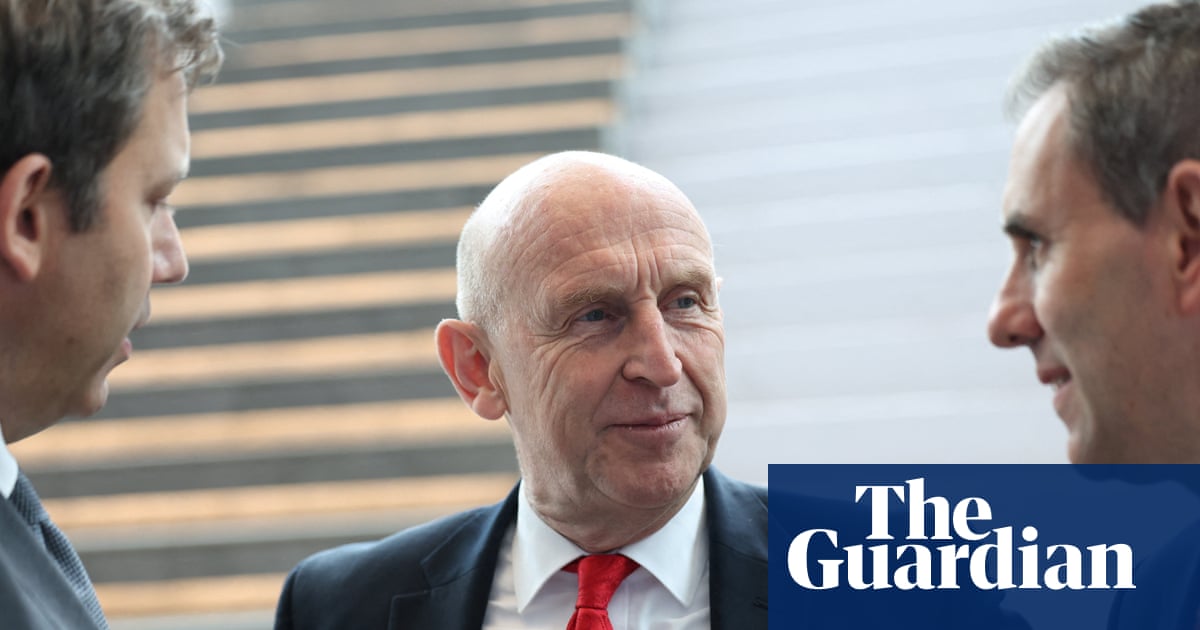
Deficit pressures put John Healey poised to raise taxes on banks in budget
Banks face higher surcharge
Healey is expected to increase the surcharge banks pay on profits in addition to corporation tax. Industry figures believe he will reverse a cut made by Hunt, taking the rate from 3% to 8%, but not beyond that level.
The Trades Union Congress estimates that a return to 8% could raise £2.25bn annually. It has urged a larger increase to 16%, which it says could bring in £24bn over four years. The UK’s four largest lenders—HSBC, NatWest, Barclays and Lloyds Banking Group—recorded £200bn in pre-tax profits over the past five years, during a period of rising interest rates.
Fiscal plans face pressure
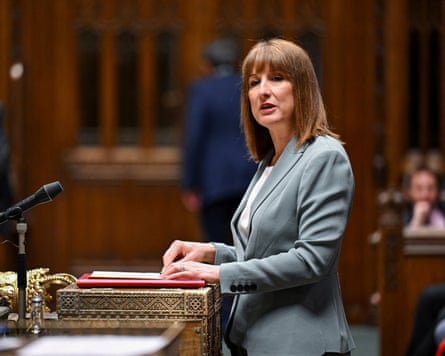
The budget is intended to help keep deficit reduction plans on track as borrowing costs rise and the war in the Middle East damages the public finances. Healey is reportedly willing to accept a smaller fiscal headroom, while seeking to reassure bond markets about his commitment to reducing the deficit. Analysts have said the bank tax increase could cut by as much as half the £24bn cushion Reeves had against Labour’s fiscal rules at the time of the March spring forecast.
Calls for banks to contribute
TUC general secretary Paul Nowak said the largest banks were making large profits while bonuses had reached a post-crash record. He argued that banks should contribute more, citing high interest rates and the pressure on households with mortgages.
Shadow chancellor Andrew Griffith warned that higher taxes on financial services could weaken growth. He said Labour should support businesses and wealth-creators rather than increase their tax burden.
Other spending and defence
A government source said Labour was conscious of the need to maintain a positive environment for startup banks and the lending they provide to small businesses. Other Whitehall departments are expected to receive little extra funding and will have to stay within budgets set by Reeves at the June 2025 spending review.
The Institute for Fiscal Studies has said those plans could mean real-terms spending cuts for some departments in later years. Healey is also expected to avoid setting out when the UK will spend 3% of GDP on defence, an issue linked to his resignation as defence secretary in June and Starmer’s downfall.
Key points
- Healey is expected to raise the banks’ surcharge from 3% to 8% in his 28 October budget.
- The Trades Union Congress says a return to 8% could raise £2.25bn annually.
- Analysts say the change could halve the £24bn fiscal cushion Reeves had in March.
- Most departments are expected to receive little additional funding.