Japan’s Sanae Takaichi Faces Debate Over Workload, Housework and Gender Roles
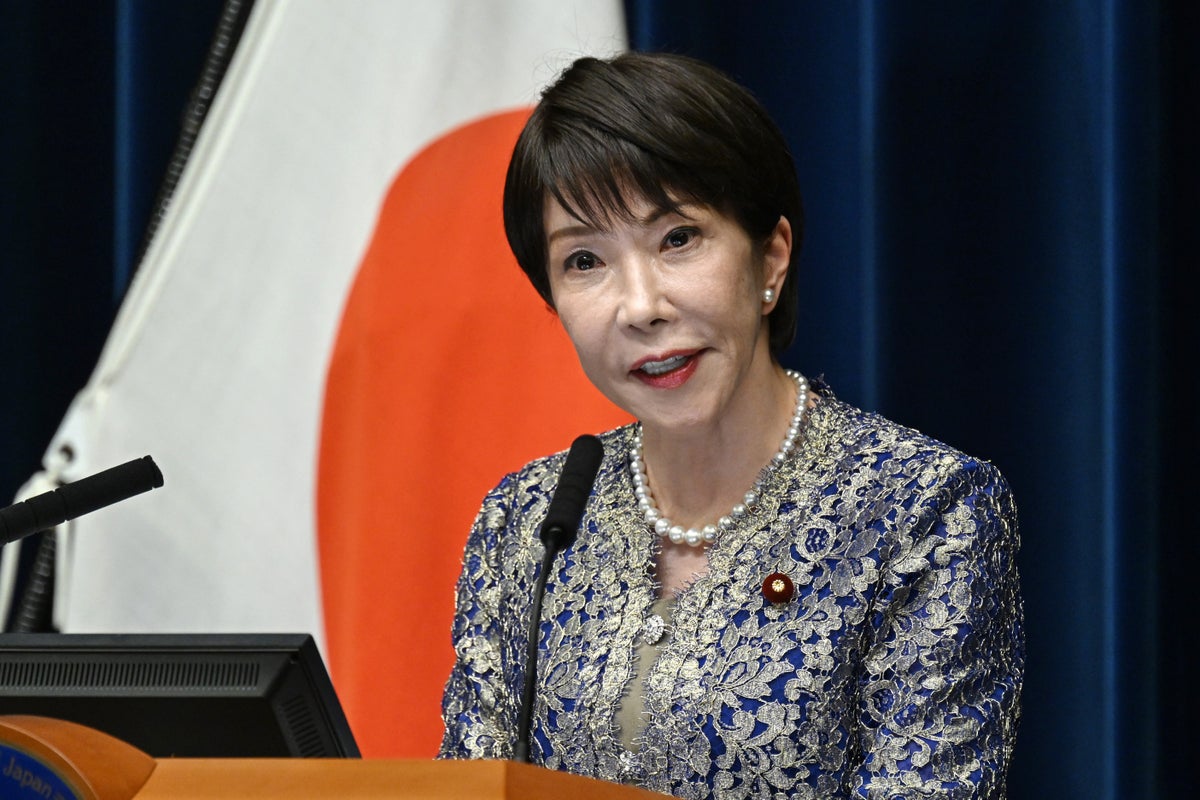
Takaichi describes her routine
Speaking to parliament on Wednesday, Takaichi said she bathes, prepares breakfast, washes dishes and applies makeup before starting her day. She estimated these tasks take her three or four more hours than they took male prime ministers.
She said aides needed time to understand that she required extra preparation for makeup and to look presentable on camera. Takaichi has also said she sometimes sleeps only zero to three hours because of housework and her demanding workload since taking office last year.
Gender roles fuel criticism
In Japan, long working hours are common for men, while women often shoulder housework and child care as well. Government figures show women spend nearly five hours a day on household chores, compared with about 40 minutes for the average man.
Social media users argued that working women raising children or caring for elderly parents face even greater demands. Some characterized Takaichi’s remarks as a time-management issue and criticized what they saw as an outdated view of gender equality.
Workload and political setback
Takaichi’s account of her routine has prompted criticism that her approach sets a poor example for work-life balance and gender equality. She has said managing her schedule is difficult and that she regularly takes home a thick stack of documents.
Key points
- Takaichi said household chores and makeup add three or four hours to her day compared with male predecessors.
- Government figures show women in Japan spend nearly five hours a day on housework, versus about 40 minutes for men.
- Takaichi has faced criticism over sleep, workload and what her remarks imply about gender equality.
- Farm Minister Kazuo Yana resigned amid multiple scandals, including claims involving road funding and supporter transportation.