With Inflation Squeezing Pay, How Much Longer Are Consumers Willing to Muscle Through Higher Prices?
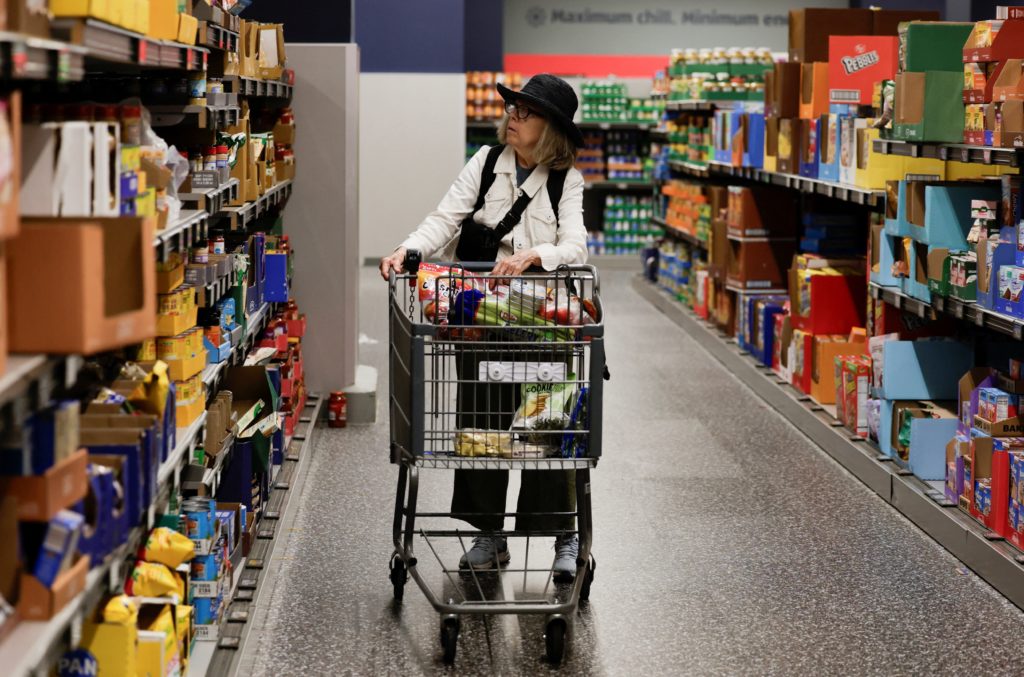
Costs Rise Before Reaching Shoppers
Wholesale prices rose 6.3% in September from a year earlier, the largest annual increase in nearly four years. The producer price index climbed 1.3% from August, driven in part by a 20% jump in gas prices.
More expensive diesel is raising transportation costs for trucks and freight trains. Wholesale food prices increased 1.2% in September, the biggest monthly rise since February, potentially foreshadowing higher grocery bills.
Consumer inflation reached 3.7% in September, well above the Federal Reserve’s 2% target. Diesel averaged $6.32 a gallon nationwide Thursday, compared with $3.66 a year earlier.
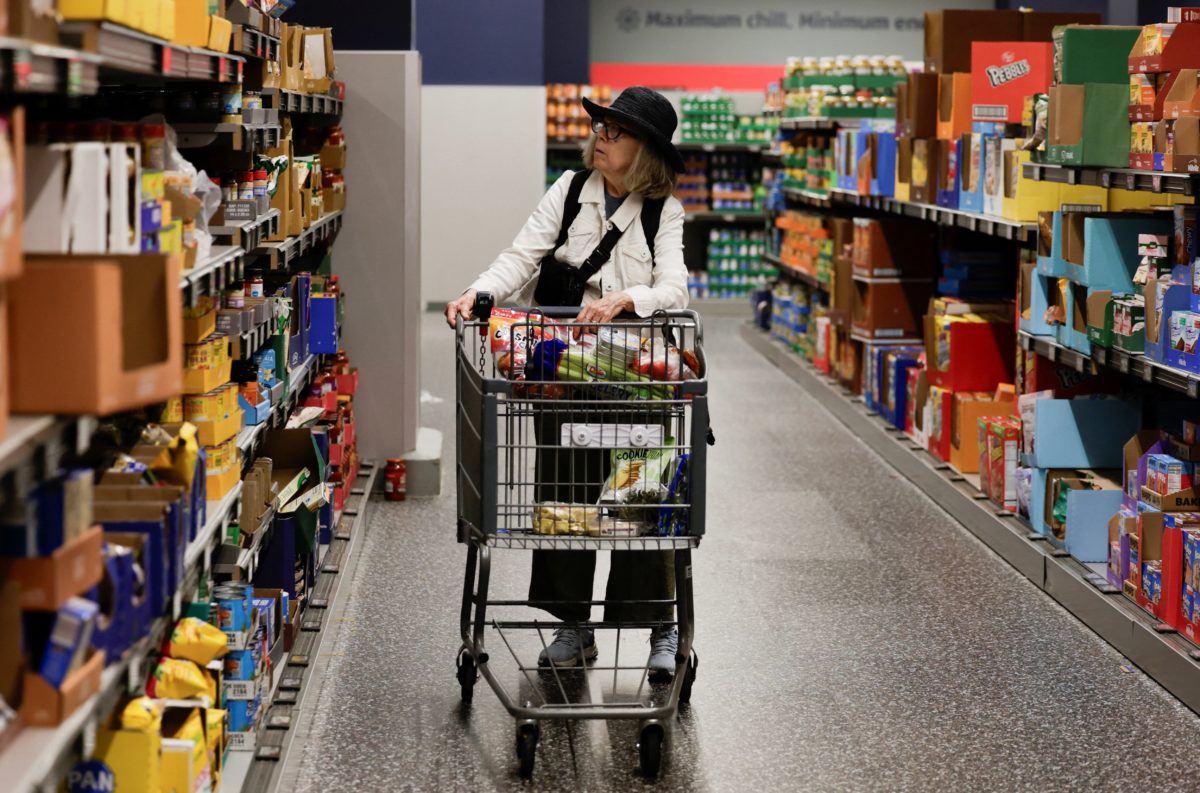
Spending Holds Up For Now
Retail sales increased 0.8% from August, exceeding economists’ expectations. Spending at gas stations rose 6.4%, while restaurants and bars recorded a 1.1% gain. Without gas purchases, retail sales rose 0.2%, and much of that growth also reflected higher prices. Still, consumer spending is supporting U.S. economic growth despite gloomy views of the economy. “They’re not happy, but they’re still spending,” said Jim Baird, chief investment officer at Plante Moran Financial Advisers, describing consumers’ response to higher gas prices.
Jobs Support Household Spending
Layoffs remain unusually low even as hiring has slowed. Applications for unemployment benefits stayed below 200,000 last week, a historically low level and a measure economists use as an indicator of layoffs.
Economists say continued employment could help keep spending resilient, though households may become more cautious and rely more on savings and credit. Kathy Bostjancic, chief economist at Nationwide, said consumers with jobs would continue spending if unemployment stayed low.
Inflation Risks Spending Power
Higher inflation is eroding the value of household income. Inflation-adjusted weekly pay declined in September from a year earlier for the first time since May. September hiring slowed to 29,000 jobs, down from a revised 133,000 in August. The unemployment rate rose to 4.2%, still low, while economists had expected about 90,000 jobs to be added.
Key points
- Wholesale prices rose 6.3% in September from a year earlier, the biggest increase in nearly four years.
- Retail sales gained 0.8%, led by higher gas-station spending and rising prices.
- Unemployment benefit applications stayed below 200,000, signaling unusually low layoffs.
- Inflation-adjusted weekly pay fell year over year as September hiring slowed to 29,000 jobs.