Pollinating insects flock to plants gardeners might think of as ‘weeds’
Citizen scientists on UK Pollinator Monitoring Scheme recorded insect visits to flowers during 10-minute surveys
Ubiquitous urban plants often derided as “weeds” are the most attractive to pollinating insects.
The next most popular are hogweed and bramble flowers, followed by non-native buddleia, which attracts four times as many butterflies and moths as other high-scoring flowers.
Ivy received 22 visits by flying insects per 10-minute count with hogweed a close second (20) followed by buddleias, bramble, knapweeds and thistles, which received an average of 14 visits each.
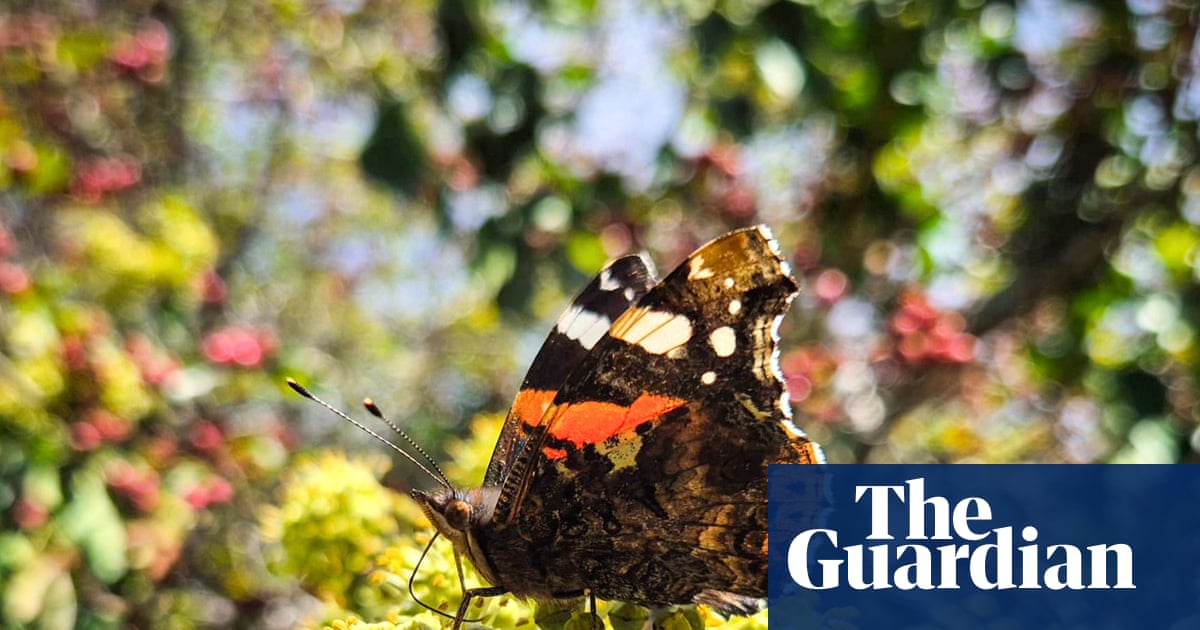
Jo Milborrow, the butterfly monitoring officer for Butterfly Conservation, one of the partners in the pollinator monitoring scheme, said: “We already recommend ivy as a great plant to grow because it is an important resource for breeding holly blue butterflies and nectaring commas and red admirals, so the fact that this easy-to-grow native species is also the number one plant for pollinating insect visits is a fantastic discovery – we would recommend people to start growing ivy today!”
There was better news for solitary bees, which increased in one survey. Honeybees, beetles and flies excluding hoverflies all increased in the survey, which covered mostly gardens, suggesting that these could be providing an important refuge for some pollinators.
Martin Harvey, a volunteer coordinator at UKCEH, said volunteers could contribute counts via the Pollinator Monitoring Scheme website next year between April and September. “Participants often say how much they have enjoyed spending time counting pollinators,” he said, “and it is always fascinating to observe the close association between insects and flowers”.
Dive deeper
- Citizen scientists on UK Pollinator Monitoring Scheme recorded insect visits to flowers during 10-minute surveys
- Ubiquitous urban plants often derided as “weeds” are the most attractive to pollinating insects.
- The next most popular are hogweed and bramble flowers, followed by non-native buddleia, which attracts four times as many butterflies and moths as other high-scoring flowers.
- Ivy received 22 visits by flying insects per 10-minute count with hogweed a close second (20) followed by buddleias, bramble, knapweeds and thistles, which received an average of 14 visits each.
- Jo Milborrow, the butterfly monitoring officer for Butterfly Conservation, one of the partners in the pollinator monitoring scheme, said: “We already recommend ivy as a great plant to grow because it is an important resource for breeding ho