How technology is changing the detection of breast cancer
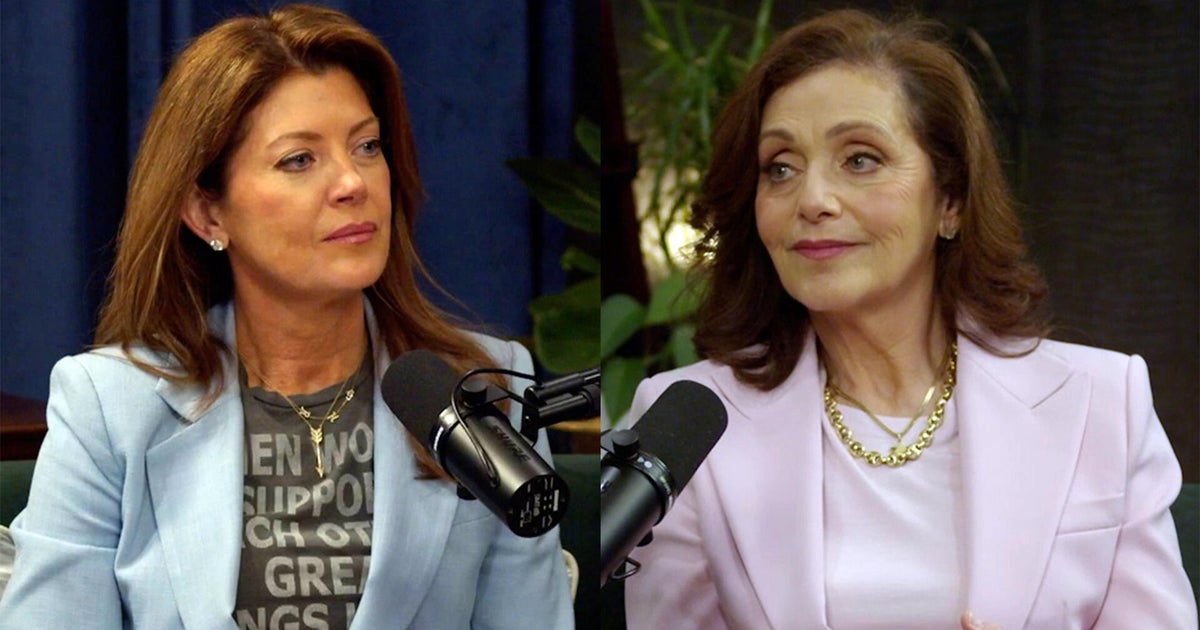
Dr. Rachel Brem decided at age 12 that she wanted to cure cancer after her mom was diagnosed with breast cancer. It was early detection that led to her mother living way past her prognosis of six months. Now, Brem is working to improve breast cancer screening for all women.
On this week's episode of "Healthful," she discussed the innovation that makes her hopeful.
"AI is going to change everything in medicine, and certainly breast cancer detection," Brem said.
Already there is significant scientific research showing mammograms paired with AI evaluations "can find cancer up to five years earlier," she said, by detecting warning signs in women that might be missed with just mammograms alone. The software can also predict future risk of breast cancer even when none is detected in a mammogram.
If women begin getting screened at age 35 with AI-enhanced readings, she noted the software will constantly teach itself how to improve in detecting breast cancer with each analysis. That's younger than the starting age recommended by several major medical organizations.
However, nationwide, just 20% of practices use AI with their mammogram procedures. Often, the AI readings cost extra, which may make the option inaccessible for some.
But she said, "One of the things AI can do is really equalize the inequalities," referring to the racial disparities that affect diagnosis and treatment for many women.
Brem wants to change this with her foundation, which for the past 20 years has championed early detection through innovative screening, increased education and awareness, and equitable access.
"It's not available yet, but I'm really excited about having no pain, no compression, and no injection way of diagnosing if you're accurately diagnosed," Brem said.
From her research, women should get checked for breast cancer annually starting at the age of 40. For those with a history of breast cancer in their family, they should start at 35.
Early detection of breast cancer leads to significantly better outcomes compared to cases where breast cancer is found in its later stages.
In addition to the recommended mammograms, Brem also believes "you absolutely, unequivocally definitely need more exams" if you have dense breasts. Half of women have dense breasts, and mammograms might not be able to pick up potentially deadly tumors hiding behind the tissue. Ultrasounds, MRIs or contrast-enhanced mammograms are necessary for those with dense breasts to get a complete view of their risks.
Dive deeper
- Dr. Rachel Brem decided at age 12 that she wanted to cure cancer after her mom was diagnosed with breast cancer. It was early detection that led to her mother living way past her prognosis of six months. Now, Brem is working to improve brea
- On this week's episode of "Healthful," she discussed the innovation that makes her hopeful.
- "AI is going to change everything in medicine, and certainly breast cancer detection," Brem said.
- Already there is significant scientific research showing mammograms paired with AI evaluations "can find cancer up to five years earlier," she said, by detecting warning signs in women that might be missed with just mammograms alone. The so
- If women begin getting screened at age 35 with AI-enhanced readings, she noted the software will constantly teach itself how to improve in detecting breast cancer with each analysis. That's younger than the starting age recommended by sever