Most large U.S. college campuses report at least 2 sexual assaults a year. Experts say the data undercounts victimization.
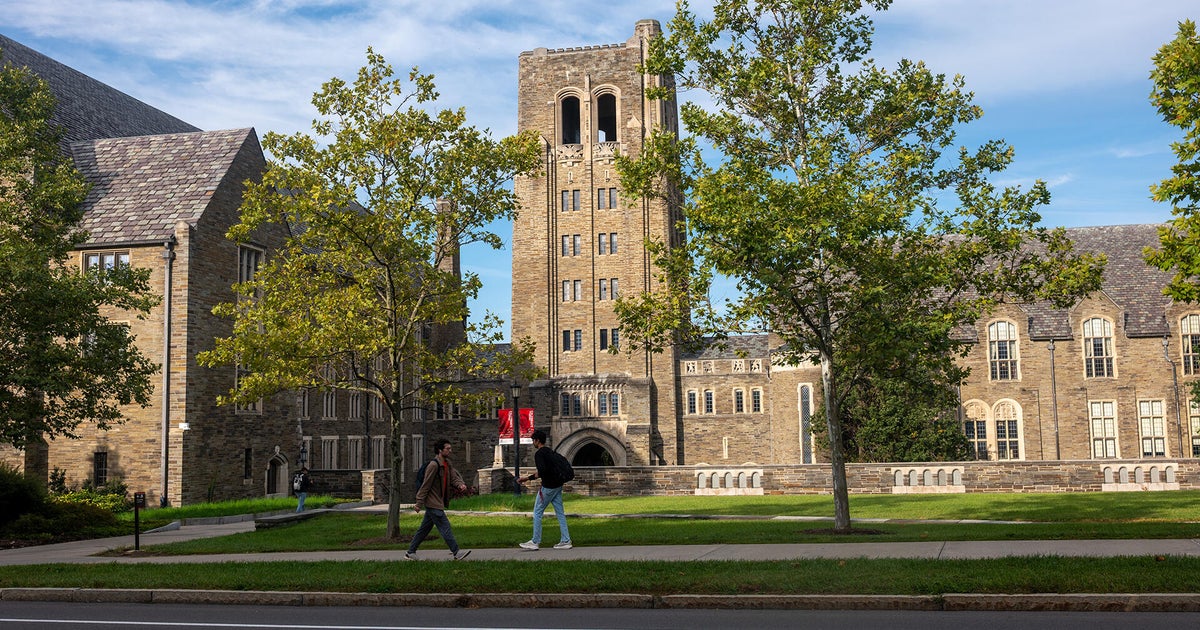
Jane Doe in the Cornell University case is one of more than 45,000 people who have reported being raped or sexually assaulted to their college or university between 2019 and 2024, according to federal data — and experts say that number wildly undercounts campus sexual violence.
That includes 238 incidents reported at Cornell during that 6-year timeframe, the data shows, or an average of 8 incidents per 5,000 students each year. That's compared to an average rate of about 4 incidents per 5,000 students each year across all large schools with at least that many students enrolled.
But these numbers fail to capture students who were sexually assaulted and chose not to report it. Surveys show about 1 in 5 undergraduate students say they experienced at least one incident of sexual violence, but the majority are never reported.
Some universities may also be excluding reports they deem to be unfounded or that the victim chooses not to pursue, said Corey Rayburn Yung, a law professor at the University of Kansas who studies criminal law and sexual violence. Schools have been fined in the past for underreporting.
"Schools view sexual violence as a public relations problem," Yung told CBS News. "They don't want to be the school that has the highest rape rate and they will do whatever they can to make it seem safer than it is."
"The numbers just don't seem to match with the survey data and even the criminal reporting data in similar jurisdictions," Yung said. "This is indicative … [that] schools are not telling us the full story of reporting and giving an impression that the campuses just don't have nearly the degree of sexual violence that they likely do."
Sara Wilf, an assistant professor of social work at George Mason University who has researched campus sexual violence, said a lack of confidential resources, as well as significant gaps in students' knowledge of the resources available to them, also limits reporting.
Many victims are also concerned their reports won't be taken seriously, or question whether they would be deemed sexual assault at all.
Wilf said the No. 1 resource survey respondents reported wanting on campus was a confidential advocate, or someone who can help guide victims through the "dizzying constellation of decisions they have to make" in the aftermath of the incident while still processing trauma. This includes helping them navigate any investigations or reports they may choose to make. The University of California system has installed such advocates on its campuses.
The then-20-year-old Cornell student known as Jane Doe alleges she was drugged and raped in October 2024. She filed a civil lawsuit alleging sexual assault nearly two years later against seven former fraternity brothers at Cornell, as well as the university and others she alleges failed to protect her. Prosecutors did not charge anyone but have now reopened the criminal investigation. Two of the accused in the case were expelled, two suspended for at least two semesters, one had already graduated before any punishment could be handed down, and two were found not to be responsible for sexual mi
The two students expelled at Cornell as part of Jane Doe's case were two of five people expelled from the school between 2019 and 2024, among 171 sexual misconduct cases brought to the university to investigate, New York state data shows.
"Survivors hear from other students how the Title IX process failed them," Wilf said. "And so, they are much less likely to seek out support on campus."
Dive deeper
- Jane Doe in the Cornell University case is one of more than 45,000 people who have reported being raped or sexually assaulted to their college or university between 2019 and 2024, according to federal data — and experts say that number wild
- That includes 238 incidents reported at Cornell during that 6-year timeframe, the data shows, or an average of 8 incidents per 5,000 students each year. That's compared to an average rate of about 4 incidents per 5,000 students each year ac
- But these numbers fail to capture students who were sexually assaulted and chose not to report it. Surveys show about 1 in 5 undergraduate students say they experienced at least one incident of sexual violence, but the majority are never re
- Some universities may also be excluding reports they deem to be unfounded or that the victim chooses not to pursue, said Corey Rayburn Yung, a law professor at the University of Kansas who studies criminal law and sexual violence. Schools h
- "Schools view sexual violence as a public relations problem," Yung told CBS News. "They don't want to be the school that has the highest rape rate and they will do whatever they can to make it seem safer than it is."